



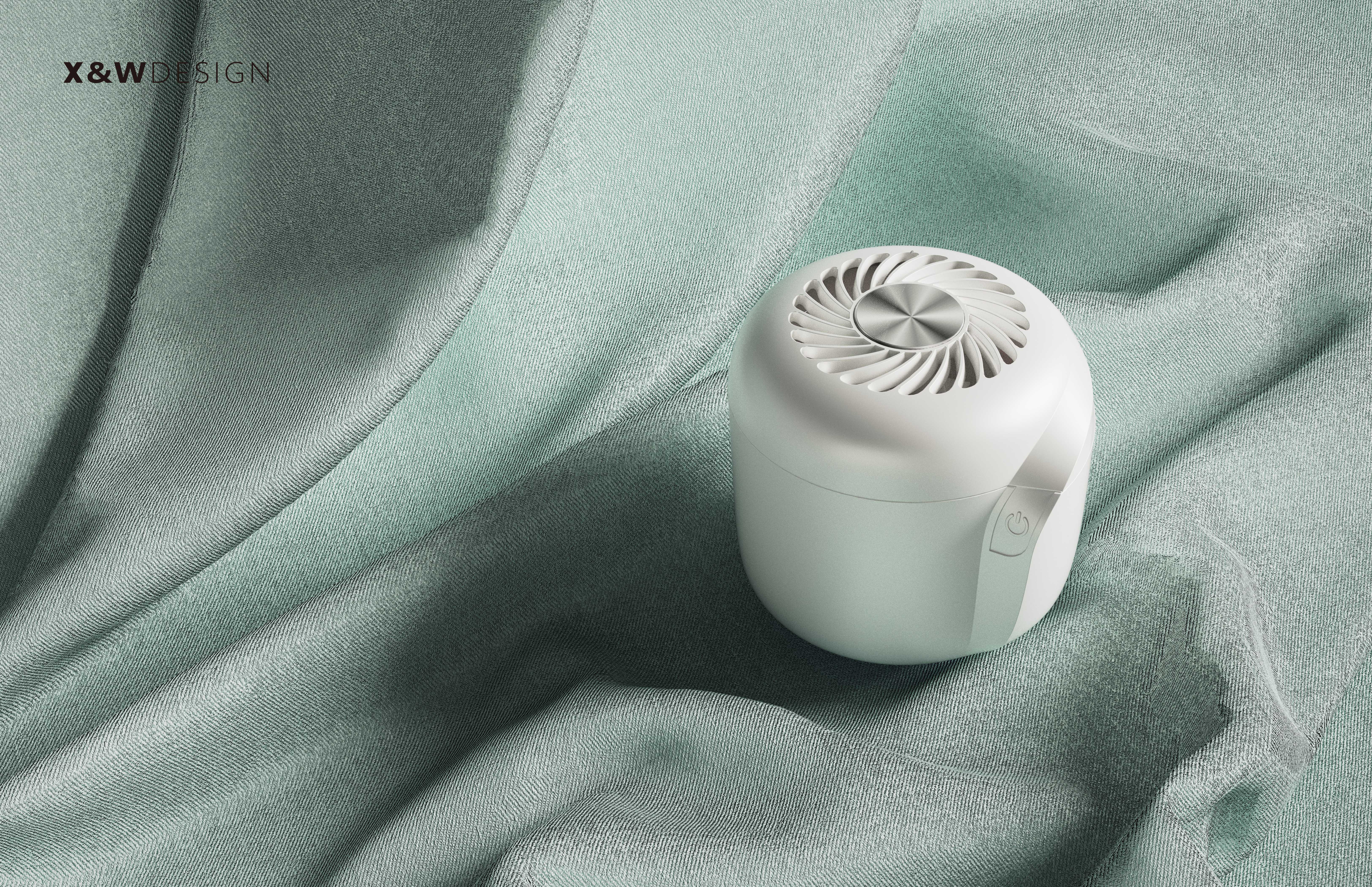
Small appliance industrial design is not only about making a product look better. It is a systematic process that connects user needs, brand positioning, product function, structural feasibility and manufacturing cost. For smart appliances, personal-care devices, cleaning tools and home-protection products, early design involvement helps reduce rework and create clearer market value.
1. Start with user scenarios, not styling
A mature small appliance project usually starts with the usage scenario. Where will the product be used? How long is each use? How is it stored? Does it require one-hand operation? Is cleaning and maintenance simple? These questions directly influence proportion, grip, button placement, working area and internal layout.
At this stage, the design team turns user behavior into product opportunities. A cleaning product may need to emphasize quick use and easy storage, while a personal-care product may need to communicate lightness, safety and comfort. Clear scenarios help industrial design move beyond surface styling.
2. Product definition shapes the design direction
Product strategy needs to answer three questions: what problem the product solves, who it serves, and what makes it memorable at launch. This definition influences the design language, CMF direction, functional hierarchy and brand communication.
For small appliance brands, product definition should stay focused. One clear selling point is often easier for users to understand than many scattered functions. Design helps translate technical features into perceivable user value, such as intuitive operation, stable placement, easier cleaning or a better fit with the home environment.
3. ID design balances recognition and daily use
The industrial design stage includes sketches, proportion studies, 3D modeling and design review. A good small appliance needs visual recognition, but it should not sacrifice usability for styling. Form language, parting lines, button logic and lighting details should all serve the product experience.
CMF is equally important. Color, material and finish influence how users perceive quality, warmth and brand character. For frequently used appliances, stain resistance, wear resistance, tactile quality and ease of cleaning should be evaluated early.
4. Structural coordination makes design manufacturable
After the appearance direction is confirmed, structural design and DFM review determine whether the product can be reliably manufactured. Internal space, part breakdown, snap fits, screw bosses, mold direction, assembly sequence and maintenance all affect cost and production yield.
If industrial design and engineering are separated, later-stage changes may distort the form, increase cost or create repeated prototyping. Small appliance projects benefit from parallel development between ID and structural engineering.
5. Pre-production validation goes beyond appearance
The prototype stage validates grip, operation, stability, assembly, surface finish and user comprehension. Products involving motors, heating, water tanks, airflow or batteries also require engineering tests and supplier feedback.
The goal before production is not to keep every early idea unchanged. It is to find a sustainable balance between business value, user experience and engineering reality. A market-ready design should be attractive, intuitive, manufacturable and cost-conscious.
6. How XYW understands small appliance design
XYW focuses on the complete process from product strategy and industrial design to structural coordination and brand expression. We believe the value of small appliance design lies in turning complex technology into a product experience users can quickly understand, use and remember.
For brands developing new products, a clear design strategy established early can keep later development, prototyping and production aligned. Design is not decoration at the end of a project. It is a practical method for moving a product from concept to market.

 Get in touch